
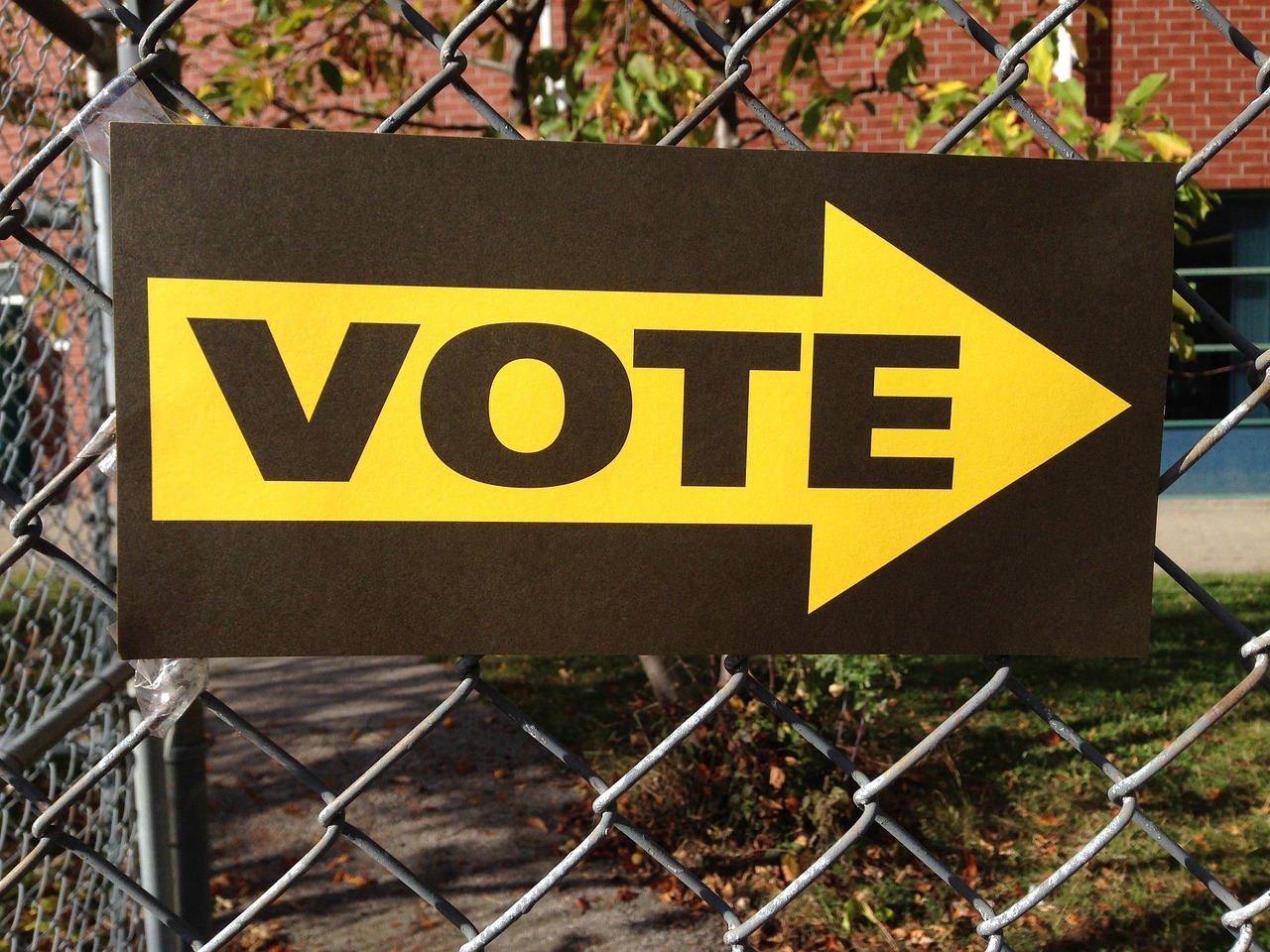
It’s time to start your civic election homework
It can be an overwhelming task deciding who to vote for in the Oct. 17 civic election.
Only 31 percent of residents in the capital region bothered to elect mayors and councils in 2022 – the lowest turnout in the last five civic elections – choosing to skip a few minutes that could have changed their life.
There’s a seemingly perfect storm of issues and an abundance of candidates who want your support and may say whatever it takes to get it. But, it’s unlikely you will get to meet them when they are stumping and knocking on your door.
So rather than juggling the social media circus, grab a cuppa (maybe a double-shot of whiskey), and do your homework. Although some sources have biases, they merit consideration.
For starters, the province has assembled a Voter’s Guide to Local Elections (2026) and General Elections 101 which you may find helpful. Most municipal websites post candidate nomination documents, nominee lists, financial snapshots and candidate profiles. While most candidates have their own websites, those may provide only biased insights.
Vote Ready Victoria by resident John Farquharson is the newest source. For independent analysis, he knocked on doors in 2022 for several Victoria council candidates from across the political spectrum.
While using AI, six policy areas are flagged including housing and development, police crime and safety, taxes, budgeting and spending, plus governance.
The key votes on each during the last four years are detailed along with handy links to council minutes.
Livable CRD offers a candidate scorecard for a liveable (Canadian spelling) capital region, for what they say is an easy, informed election decision.
It’s self-described as a coalition of 14 community groups who prepared a transparent scorecard for municipal election candidates across the CRD, so voters can see where candidates stand on the issues that shape daily life. Candidates are asked their various positions.
These issue areas require tax dollars, so it’s unfortunate candidates were not asked their views on taxation. For example, ‘Should the rate of taxation exceed inflation?’ or ‘Should more services be consolidated across the region?’ or ‘Do you support zero-based budgeting?’
All said, it’s impossible for voters to make comparisons to help their decision. For example, as of Sept.12, only six candidates in the City of Victoria returned a questionnaire.
Traditional media such as the Times Colonist, Victoria News and Capital Daily will likely provide similar coverage to what was done in 2022.
The Times Colonist usually publishes brief profiles and unedited answers to a candidate questionnaire for Victoria hopefuls.
Last election this information was published the day before the election. Unfortunately little time remains for voters to do their homework and make an informed decision. Perhaps the media-of-record will publish it a week or two earlier?
Voters can also track down substantial candidate profiles done during the previous few weeks.
Victoria News and Saanich News along with two other Black Press regional papers, published a ‘Meet Your Candidates’ section in 2022 and asked candidates to talk about priorities.
While the candidate submissions are cursory, they are published several weeks in advance of voting day. There’s likely a similar database for 2026.
Again, online searching for candidate profile stories written prior to the election is another option.
Online Capital Daily also reached out to local candidates in 2022 with a survey providing basic information about themselves, and outlining their thoughts on local issues, from policing to public consultation.
Not all candidates chose to respond making it less helpful. It remains to be seen if they will launch a similar database for 2026.
Of course various organizations share their views on who they believe represents their best interests and which municipality is under performing.
Among them are the Chambers of Commerce which just released the Greater Victoria Municipal Report Card on six municipalities, and the Victoria Labour Council. Of note also is the analysis by the grassroots group Sustainable Victoria Network.
Community associations organize all-candidates meetings, a chance to judge candidates in the flesh. Keep in mind, community associations are often closely tied to councils who provide essential grants and fund some of their activities.
Good luck voters separating the worthy from the cringeworthy candidates, the future of our Wonderland is in your hands.
-30-